Veiled Pursuit: Unraveling Shadows in a Game of Intrigue
Oct-22-2026
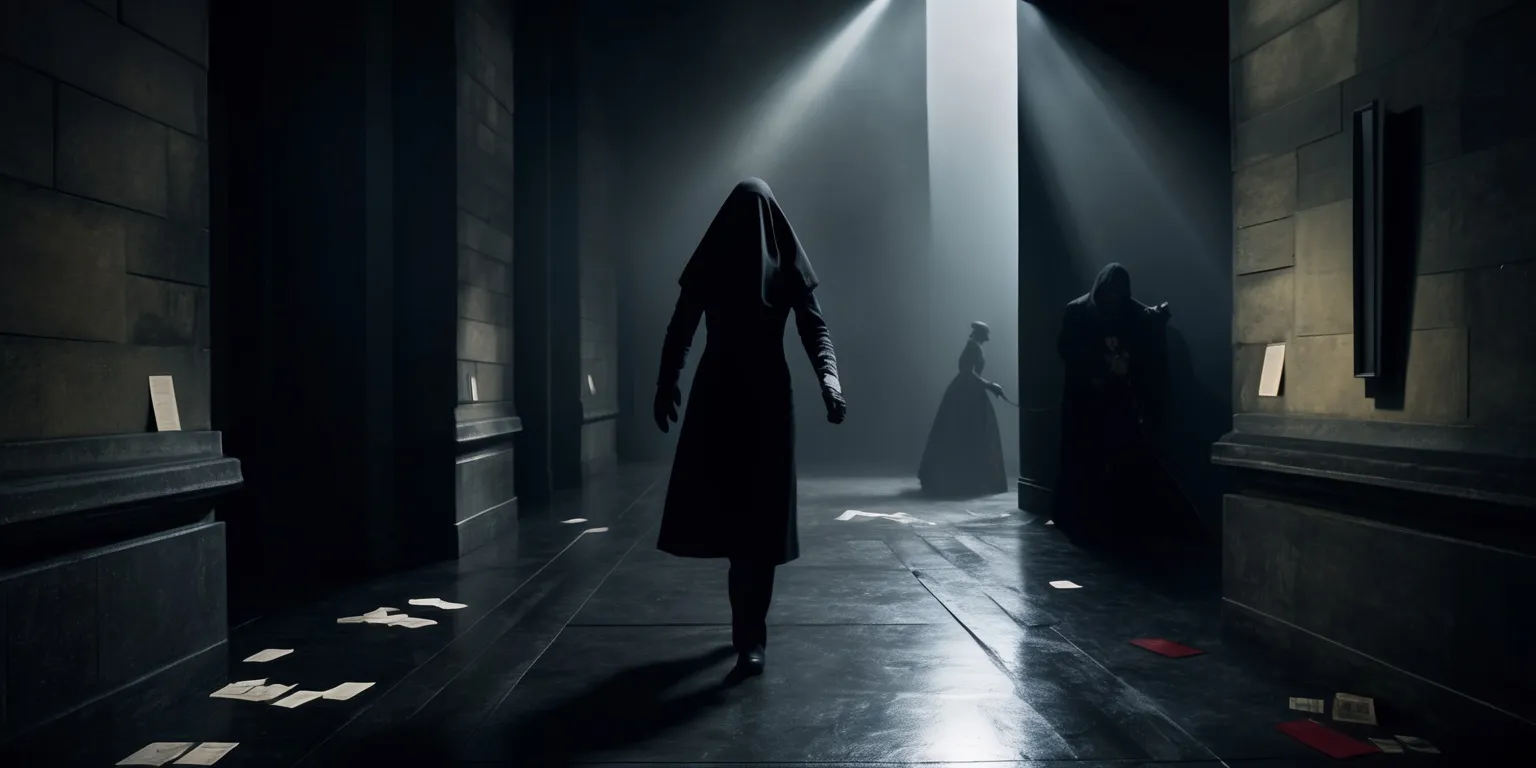
This board game evokes a thrilling atmosphere of suspense and calculation, instantly Drawing players into a realm steeped in mystery and intrigue strategy. It is an experience where ancient legends and modern gameplay mechanics blend seamlessly into an immersive narrative. One role is veiled in secrecy and malevolence, orchestrating events from the shadows, while the others engage in a careful pursuit, exchanging tactical maneuvers and strategic resource management. The design invites both newcomers and seasoned veterans to explore every nuance of hidden movement, clever card play, and shifting alliances without relying on chance alone. Every decision influenced by the passage of day and night dramatically alters the balance of power, creating a gaming session filled with unexpected twists and rich, layered storytelling.
The Art of Concealment and Pursuit
This game exemplifies the hidden movement genre, where one player discreetly maneuvers across a vast geographical map while other players work in tandem to unveil their hidden adversary. The premise is straightforward yet deeply engaging: while one player, embodying a sinister figure, leaves a series of concealed markers and encounter cards in the wake of their passage, the other players, acting as dedicated pursuers, attempt to deduce the location and plans of their elusive foe. The mechanics are structured around careful movement, risk management, and calculated guessing, which elevates every round into a tense contest of wits and strategy. The balance between shadowy tactics and overt movement creates an atmosphere where every decision carries significant weight, Guaranteeing that every session unfolds in a distinct manner.
The Characters and Their Dual Identities
The roles in the game are distinct, casting one individual as the enigmatic antagonist and the others as a team of resolute investigators. The antagonist skillfully spreads dread across regions, placing oblique clues that hint at past movements while potentially setting traps for the pursuing team. Meanwhile, the hunters are provided with a unique set of tools and event cards, urging them to coordinate, traverse diverse terrains, and steadily narrow down the suspect’s whereabouts. In this asymmetric setup, each player must strategically balance aggression with caution, knowing that every misstep might contribute to a growing sense of impending doom. The interplay between openness and secrecy creates a dynamic battlefield where strategy and intuition play equally important roles.
The Rhythm of Day and Night
The game’s pacing is intricately woven into a dual-phase structure that alternates between periods of daylight and darkness. During the daylight phase, players engage in relatively secure activities, such as moving across territories, consulting with fellow hunters, collecting vital resources, or preparing tactical maneuvers by purchasing travel tickets. However, this window of safety is fleeting, as nighttime arrives with a heightened sense of uncertainty and danger. In the ensuing darkness, the antagonist makes calculated moves that further obscure their trail while introducing critical encounter cards into play. The alternating phases not only heighten the tension but also reinforce the notion that every decision—be it plotting, repositioning, or resource allocation—can dramatically shift the balance. The cycle of day and night ensures a rhythmic gameplay experience filled with suspense and strategic recalibration.
Tactical Engagements and Unexpected Confrontations
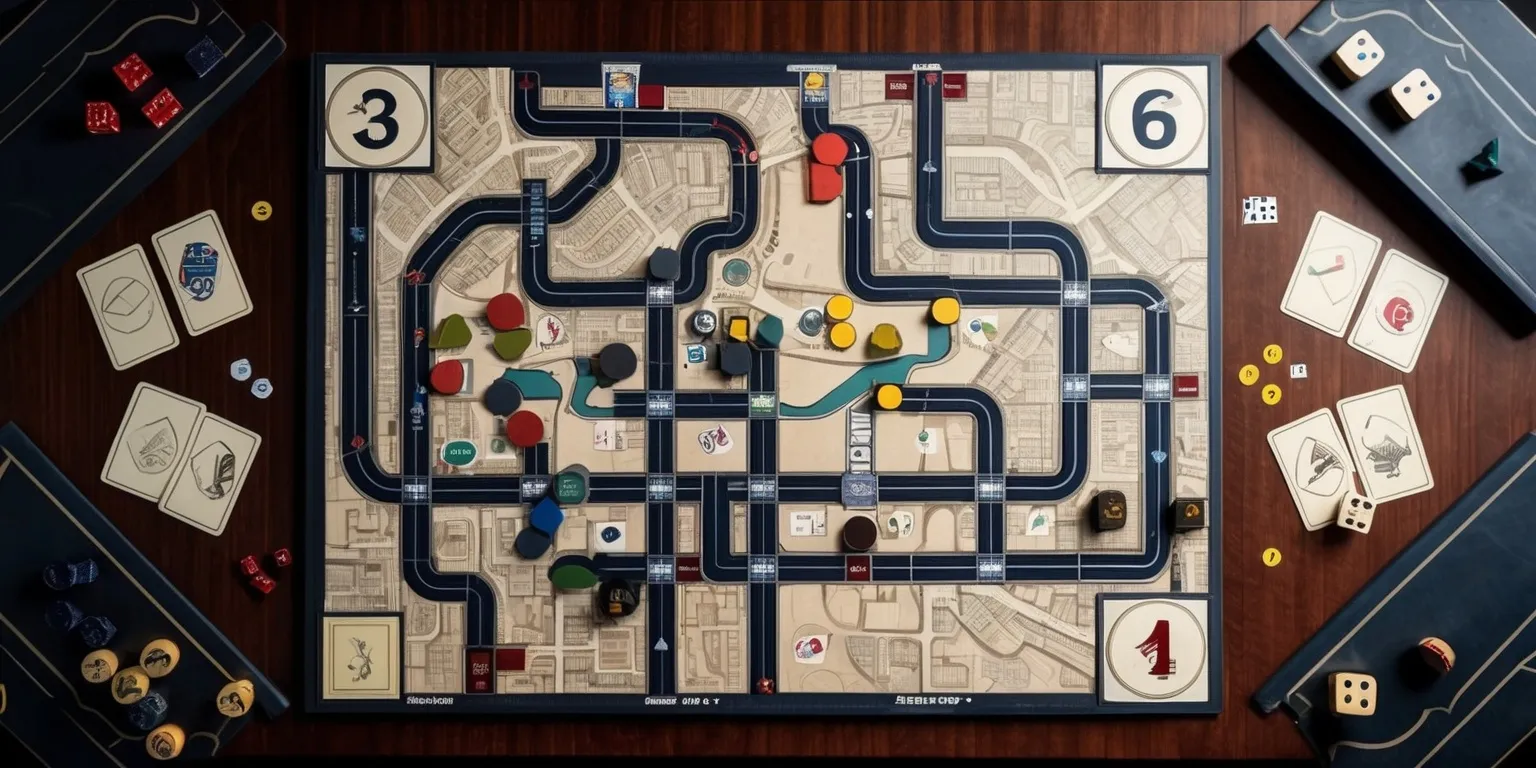
The combat system in the game introduces a refreshing layer of direct conflict to the hidden movement formula. When cautious hunters find themselves constrained in a tense standoff, both sides are compelled to select a secret card that embodies either a tactical maneuver or a valuable resource. The simultaneous reveal of these cards can lead to rapid shifts in momentum, where careful calculations sometimes yield surprising reversals. These engagements, while straightforward in design, can quickly escalate into moments of high drama and suspense. The element of risk inherent in these confrontations forces players to continually question their assumptions, adapt their strategies, and gauge their opponents’ potential moves. This dynamic confrontation system, though simple at face value, consistently delivers encounters filled with adrenaline and unpredictability.
Character Abilities and the New Contenders
In the most recent edition, it now features the inclusion of a… new character injects a fresh strategic element into the gameplay. Previously relegated to a supporting role, Jonathan Harker is now fully embraceable as one of the primary investigators, bringing with him a suite of specialized abilities. His enhanced capabilities include dealing extra damage when directly engaging the adversary and inducing unique effects when positioned adjacent to his nemesis. However, this incorporation is met with mixed feelings since his introduction is paired with the use of event cards originally designed for other characters. Even so, the presence of Harker, especially when paired with his counterpart's similar talents, can tilt the balance significantly, forcing the antagonist to recalibrate their strategy. His role underscores the importance of character diversity, encouraging players to explore varied tactical combinations and alliances to outmaneuver their concealed opponent.
Revamping the Game's Tempo and Length
The new edition addresses a common concern among enthusiasts: the lengthy play sessions associated with traditional gameplay. Recognizing that extended sessions may not always be feasible, a streamlined variant has been introduced that aims to condense the experience without sacrificing strategic depth. This faster mode removes select cards and restricts certain regions on the map, resulting in a board state that mimics a week into the ongoing game. With these adjustments, players begin with a slightly altered resource pool and game state—hunters have immediate access to critical items while the antagonist carries a measured degree of accumulated challenges. This variant opens up the game to shorter sessions that still retain the core tension and strategic decision-making, inviting players who prefer a brisk yet engaging confrontation to join the hunt.
Aesthetic Shifts and Thematic Transformations
The visual overhaul in this edition is perhaps the most striking change, invoking a nostalgic charm reminiscent of Victorian-era illustrations. While the game map receives modest updates—such as the inclusion of historically significant locations—the centerpiece of the transformation lies in the art itself. Departing from the detailed, full-color depictions that once graced item and event cards, the artwork now adopts a subdued, monochromatic style. This stylistic shift mirrors the haunting narratives of the original legends, yet it also risks sacrificing some of the dramatic impact established by previous editions. Certain cards now display simpler, almost period-appropriate sketches that, though evocative, occasionally come off as less dramatic. The visual redesign invites comparisons to old newspaper illustrations, Establishing a mood that feels simultaneously haunting and unnerving nostalgically engaging, yet it may not satisfy every fan’s expectation for vivid, cinematic detail.
Enhanced Strategic Depth Through Optional Variants
The redesigned edition offers optional variants that provide further layers of complexity for experienced players. One such variant incorporates additional rules that accelerate movement and adjust resource allocation, generating a more frenetic pace. By limiting available territories and modifying travel mechanics, this mode forces the antagonist into an environment where concealment and misdirection become even more critical. Furthermore, the refined combat system, alongside supplementary abilities for certain investigators, adds nuance to in-game decision-making. These variants allow for diverse play experiences, ranging from deeply methodical sessions to rapid tactical skirmishes that keep all players on their toes. Experimenting with these rules pushes the boundaries of traditional gameplay, Inspiring players to continually fine-tune their tactics and seek out fresh approaches tactical approaches without diminishing the fundamental spirit of hidden movement and pursuit.
Immersive Storytelling and Narrative Tension
The game's appeal is built on its remarkable capacity to stir the imagination the chilling ambiance of classic gothic horror while simultaneously embedding players in an interactive mystery. The narrative is not a fixed storyline but rather a fluid, emergent experience that evolves based on player actions. Each card drawn and every piece of evidence uncovered contributes to a broader tale of suspense and intrigue, where the soft murmur of impending peril is felt differently with every turn. This interactive storytelling aspect ensures that no two encounters are identical, with layers of tension built through subtle cues and atmospheric mechanics. The game masterfully balances the immediacy of tactical confrontations with the slow burn of mystery narrative, drawing players deeper into a world where shadows hold secrets and every decision reverberates with dramatic potential.
Dynamic Play and the Ever-Changing Landscape
Fundamentally, the game is crafted to… ensure that no path remains predictable, with constant shifts in strategy and spatial dynamics. As the antagonist hides their movements with concealed placement of cards, the spatial narrative of the board evolves in unpredictable directions. Each round, the physical placement of markers, resources, and obstacles creates a living map that reflects the interplay between hunter strategy and adversary misdirection. This ever-changing landscape demands that players continuously adapt, recalibrating their tactical priorities as new regions become available or suddenly restricted. The dynamic board is a central element that influences every strategic decision, ensuring that the margin for error is minuscule. Such an intricately constructed environment challenges both the mental agility and collaborative spirit of the players, fostering a rich and continuously engaging play experience.
Multifaceted Gameplay and Strategic Interactivity
This board game distinguishes itself by combining elements of hidden movement, tactical combat, and resource management into a multifaceted experience. Rather than allowing players to simply guess the antagonist’s location, the game requires a blend of precise planning, cunning strategy, and subtle cooperation among the hunters. The mechanics ensure that every move counts, whether it involves the careful placement of cards to mislead opponents or the strategic deployment of items during high-tension confrontations. Such a layered approach to gameplay demands that players remain vigilant, constantly adjusting their tactics to counter unexpected developments. The fusion of these intertwined systems results in an experience where tactical acumen is as equally important as "the capacity to interpret the continuously shifting landscape on" the board, ultimately creating a game that's every bit as mentally stimulating as it is engaging atmospheric.