Gaming By Design: How Neurology and Spatial Cognition Influence Control Preferences
Dec-22-2025
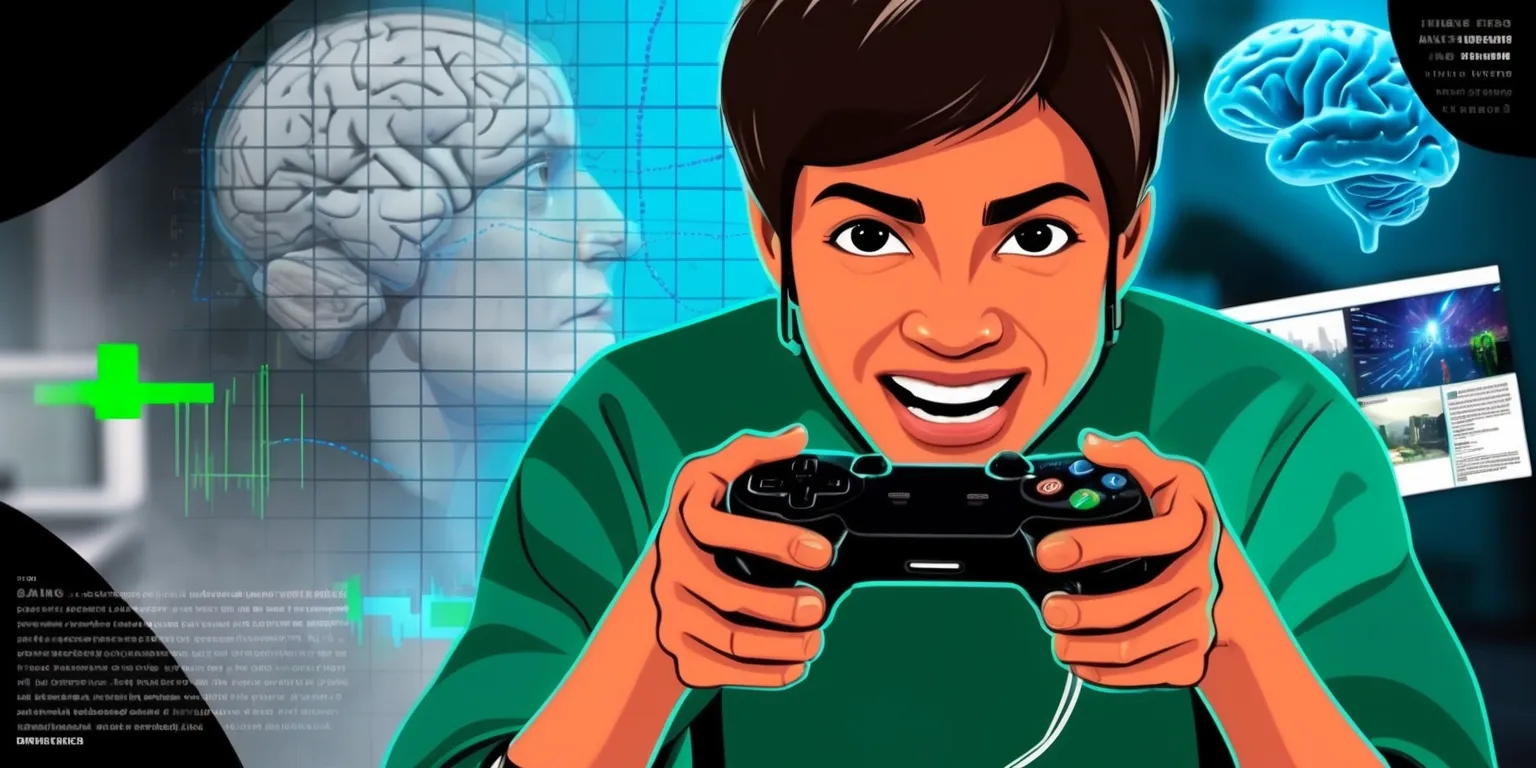
Gaming preferences often reveal fascinating insights into how our minds interact with virtual worlds. Many players adjust controller settings, such as choosing inverted over standard controls, without fully realizing that these personal habits might be closely linked to deep-seated neurological processes. These settings, which might seem arbitrary at first glance, have roots in experiences ranging from our earliest gaming memories to the specific mechanics employed by various genres. Recent scientific investigations blend psychology, neuroscience, and technology to challenge conventional beliefs, ultimately revealing that our spatial awareness and mental agility significantly influence our decisions behind the player’s seat. This exploration not only highlights the interplay of personal history and cognitive skills but also paves the way to reconsider in-game control strategies for potentially enhanced performance.
Scientific Inquiry into Control Inversion Preferences
Innovative scientific research is now beginning to shed light on the… complex reasons behind why many players opt for inverted controls in gaming. Researchers at Brunel University London conducted carefully designed experiments, merging neuroscience with digital interfaces to understand how the brain manages spatial orientation. They employed questionnaires and cognitive tasks aimed at measuring mental rotation capabilities and the impact of differing visual stimuli. The underlying findings suggest that an individual’s ability to rapidly process spatial information plays a significant role in the choice of control configuration. By integrating machine learning algorithms to analyze experimental data, the study illuminated subtle nuances in how both personal gaming histories and cognitive speed influence the smoothness of user interactions in 3D environments. These insights ultimately contribute to a deeper understanding of personal control optimization in digital gaming.
Neurological Tendencies and Controller Settings
The brain’s capacity for spatial awareness and mental rotation is not only critical in navigating the virtual worlds but also plays a pivotal role in determining control preferences. Studies have suggested that players who exhibit quicker mental rotation skills often find that their neural circuits are better attuned to processing the standard orientation of controls. Conversely, those encountering challenges with these spatial tasks may naturally gravitate toward an inverted configuration as a compensatory mechanism. This differentiation underscores the importance of neurological flexibility in gaming. The experiment incorporated tasks like rotating abstract shapes and evaluating tilted perspectives, which provided empirical data linking response times and accuracy with control preference. The research implies that the choice to invert settings is more than a simple aesthetic or habitual decision—it is a reflection of how efficiently an individual’s brain processes spatial directions.
Historical Influence and Early Gaming Experiences
Many gamers recall that their earliest experiences with digital entertainment have a lasting impression on their control preferences. During formative years, first encounters with flight simulators or early arcade games often established a baseline for comfort with either inverted or standard controls. Personal narratives collected in the study revealed that many attributed their initial settings to the nuances of their first gaming console or computer. This historical influence goes beyond mere nostalgia; it emphasizes that early exposure creates lasting neurological patterns that influence later performance. Over time, however, some gamers reported evolving preferences, suggesting that with experience, the brain's adaptability allows players to reconsider and even shift their default control setup. This transformation highlights an enduring dialogue between memory, skill acquisition, and the evolving nature of digital interaction.
Spatial Awareness and Mental Rotation Challenges
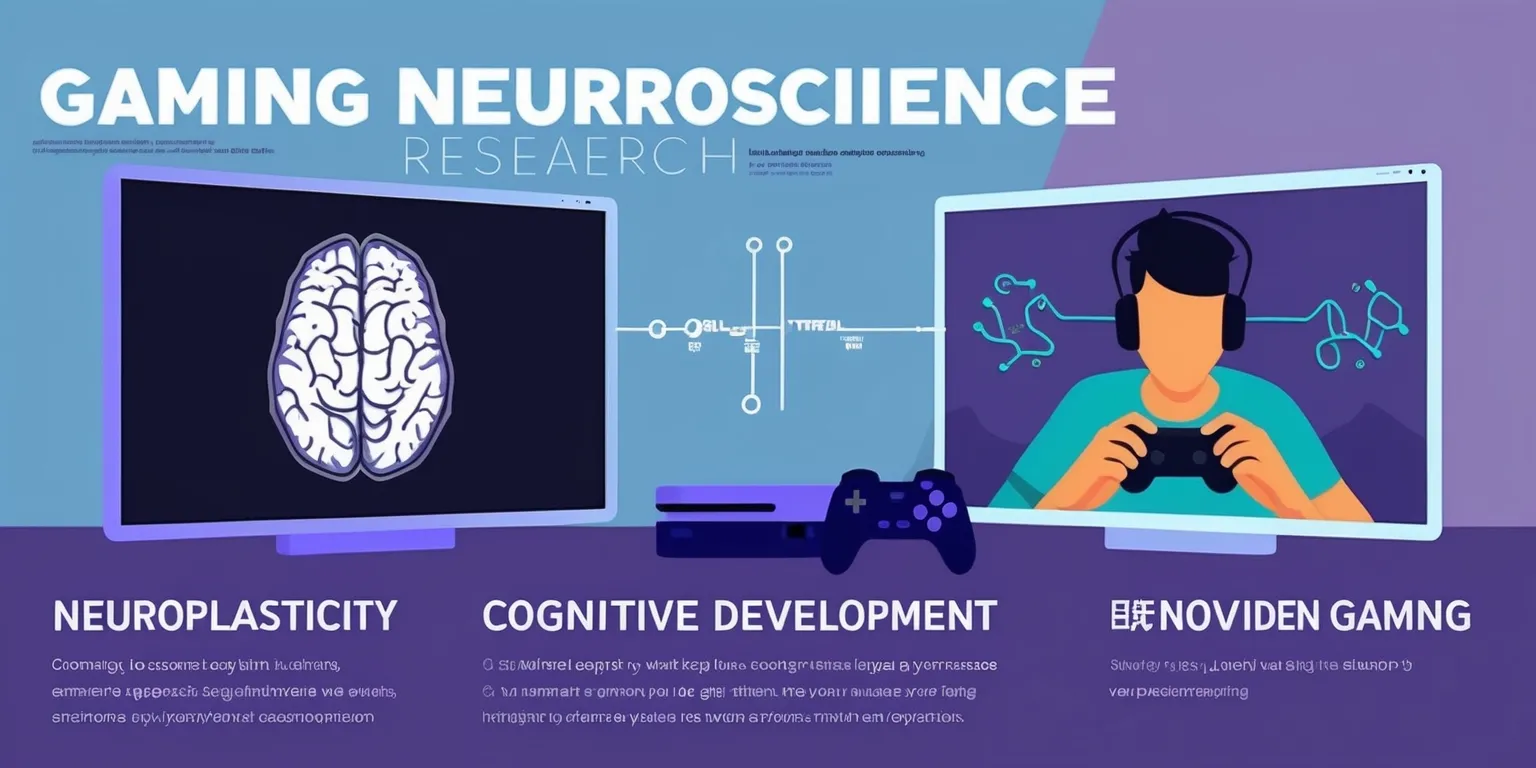
Central to understanding control inversion is the cognitive task of mental rotation—a process where the brain visualizes objects moving in space. Within the realm of gaming, these mental exercises not only measure spatial competency but also correlate with control preferences. Researchers designed experiments that required participants to mentally pivot objects and determine orientations amidst distracting stimuli. The complexity of these tasks brought forth measurable differences: gamers who performed the rotations swiftly often leaned toward standard controls, while those who found the tasks more challenging preferred inverted setups. This suggests that control configuration might serve as a practical adaptation to an individual's cognitive strengths and weaknesses. The study’s innovative approach to linking spatial processing with hardware settings invites further exploration into how our mental frameworks negotiate Consider this variation: "the intricate relationship connecting sensory processing to behavioral responses in" digital spaces.
Influence of Genre and Game Mechanics
Another interesting aspect examined by the researchers was the relationship between different game genres and control inversion. Certain genres, like flight simulation or aerial combat, may prompt players to adopt inverted controls to better align with conventional aircraft control schemes. Alternative phrasing: "Other gaming categories, like first-person shooter titles or" platformers, might incentivize the use of standard controls for quicker directional responses. The study revealed that a player’s favorite game or the type of console they use can subtly influence their choice by reinforcing specific motor patterns. This genre-based customization is reflective Instead of saying "not only in gameplay mechanics but also in," you might rewrite it as: "not limited solely to gameplay mechanics, but also extending to." the rising importance of personalized control schemes to enhance immersion. As gamers switch between various digital worlds, their controller settings often shift in response to the demands of each genre, resulting in a rich tapestry of evolving user experiences influenced by both mechanical and emotional factors.
Functional Design and Game Interface Adaptability
The modern gaming environment is defined by its intricate balance between functionality and aesthetics, where even control settings are subject to rigorous user testing and design iteration. Game developers have taken note of neuroscience research to create interfaces that dynamically adapt to diverse player preferences. Innovative design choices now allow for seamless transitions between inverted and standard controls, making customization more accessible. The flexible interface not only optimizes gameplay performance but is also designed to reduce cognitive load during intense gaming sessions. Embedded within the system are adaptive algorithms that can subtly suggest alternate configurations based on gameplay analytics. This melding of design, user input, and cognitive science demonstrates that in-game controls are more than hardware options—they are an integrated part of a larger system aimed at maximizing user satisfaction and engagement in complex 3D environments.
Empirical Assessment Through Experiments
Experimentation forms a cornerstone of understanding why players lean towards one control setting over another. In the detailed study, participants undertook a series of tasks intended to evaluate their cognitive agility and spatial judgment. Tasks included mentally rotating various shapes and adjusting to perspectives in differently tilted scenes. The experiments also incorporated elements known to challenge the human response system, such as the Simon effect, which manifests when visual and motor responses become misaligned. By quantifying the speed and accuracy of these responses, researchers were able to correlate faster mental rotations with a tendency for standard control settings and conversely, slower cognitive processing with inverted preferences. These empirical findings illustrate that subtle differences in cognitive performance can significantly influence familiar features in gaming, encouraging a more customized approach to controller configuration.
Machine Learning and Data Interpretation in Preferences
A breakthrough element of this study was the integration of machine learning techniques to interpret the complex web of data gathered from surveys and experiments. Machine learning models sifted through variables such as age, gaming console type, historical game experiences, and even scrolling preferences to derive patterns in controller choice. This robust analytical tool was essential in discerning which cognitive factors played the most significant role in control inversion. The algorithms successfully identified that the rate of mental rotation and the ability to overcome conflicting visual signals were key predictors. Utilizing such technologies has not only reinforced the validity of the established correlations but also opened new pathways for further profiling individual differences among gamers. Thus, the study represents a confluence of modern computational techniques with classical psychological assessment, offering a holistic view of the gaming experience.
Adaptation and Cognitive Flexibility in Gaming
A compelling idea emerging from the study is the potential for gamers to enhance their skills simply by experimenting with alternate control settings. Much like the adaptability seen in other cognitive domains, switching from an accustomed control layout to a different configuration may promote mental flexibility and broaden a player’s spatial acuity. Even those well-versed in standard controls might find that temporarily adopting an inverted setup offers new challenges, ultimately fostering quicker and more nuanced decision-making on screen. This adaptive process is likened to learning a new instrument or a foreign language—initial struggle gives way to increased proficiency over time. In this context, control settings are more than a static preference; they are a dynamic tool capable of reshaping how the brain interacts with immersive, interactive environments.
Artistic Expression and Aesthetic Considerations
Beyond the functional and scientific aspects, control settings carry a subtle artistic signature that reflects a game’s broader aesthetic ambitions. Developers often design in-game interfaces with attention to visual harmony and fluidity, ensuring that every adjustment resonates with the overall sensory experience. The choice between inverted and standard controls can contribute to the elegance of player movement and the natural flow of action. In some cases, the inversion of controls is implemented not only for performance benefits but to evoke a blend of nostalgia and innovation, aligning with the game’s unique visual narrative. This creative facet underscores that the debate over control preferences transcends statistical analysis—it is also centrally embedded within the art of game design and user interface decisions.
Revisiting Control Settings for Enhanced Skill Development
One of the more intriguing insights gleaned from recent research is the possibility that revisiting and re-evaluating one’s initial control preferences can pave the way for unexpected improvements in gameplay performance. Gamers who routinely follow their long-standing habits might find that challenging these ingrained patterns offers an opportunity for cognitive refreshment. Much like alternative methods used by left-handed individuals who are taught to switch writing hands to overcome certain limitations, players might benefit from adopting a control setting they have not previously considered. This deliberate choice to explore new configurations allows the brain to form fresh synaptic connections and adapt to alternative sensory input. In this sense, the act of switching controls becomes not only a tactical decision but a catalyst for ongoing cognitive and motor development in the digital arena.