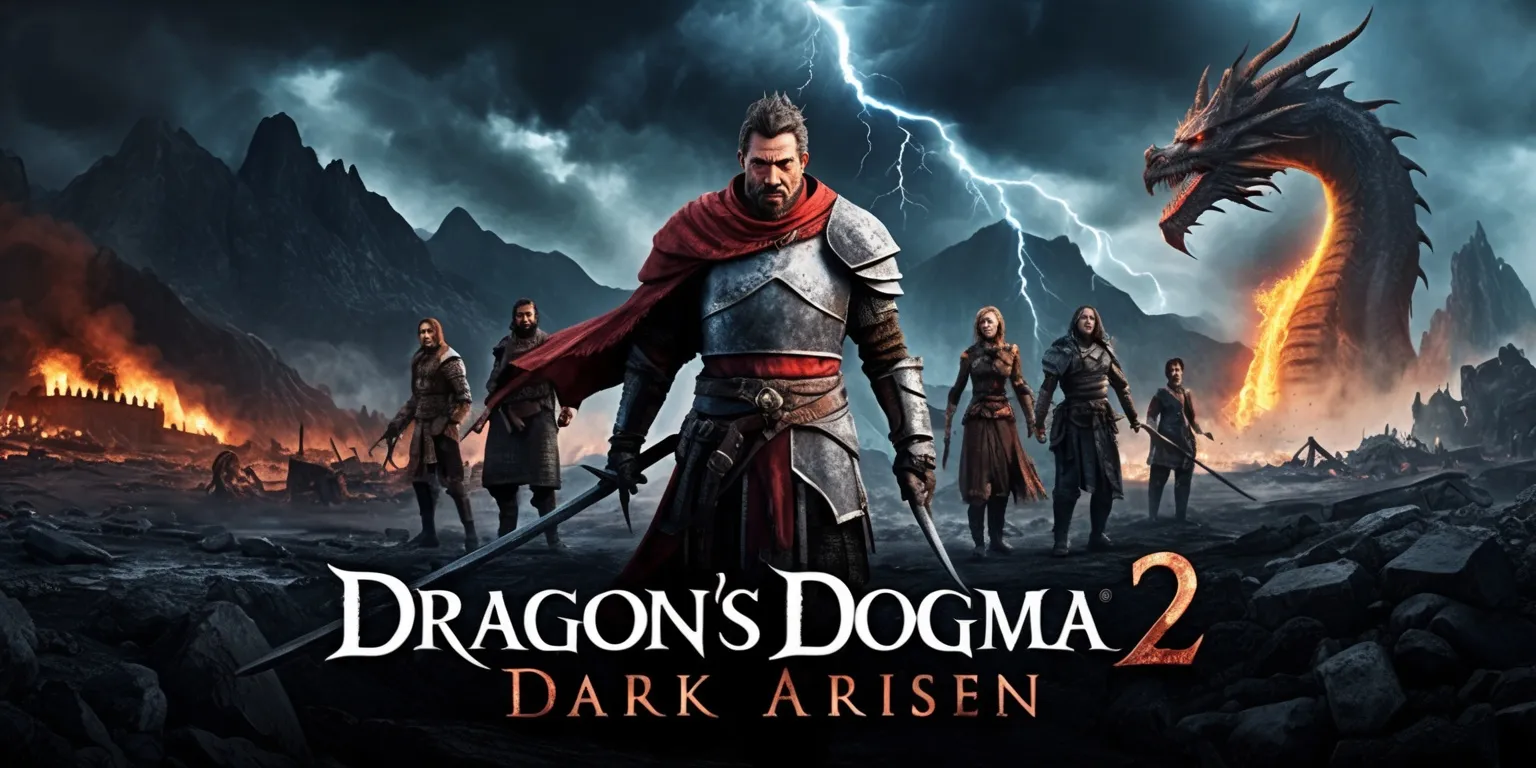
Dragon’s Dogma 2: Dark Arisen and the Frozen Majesty of Norgan
Nov-22-2026
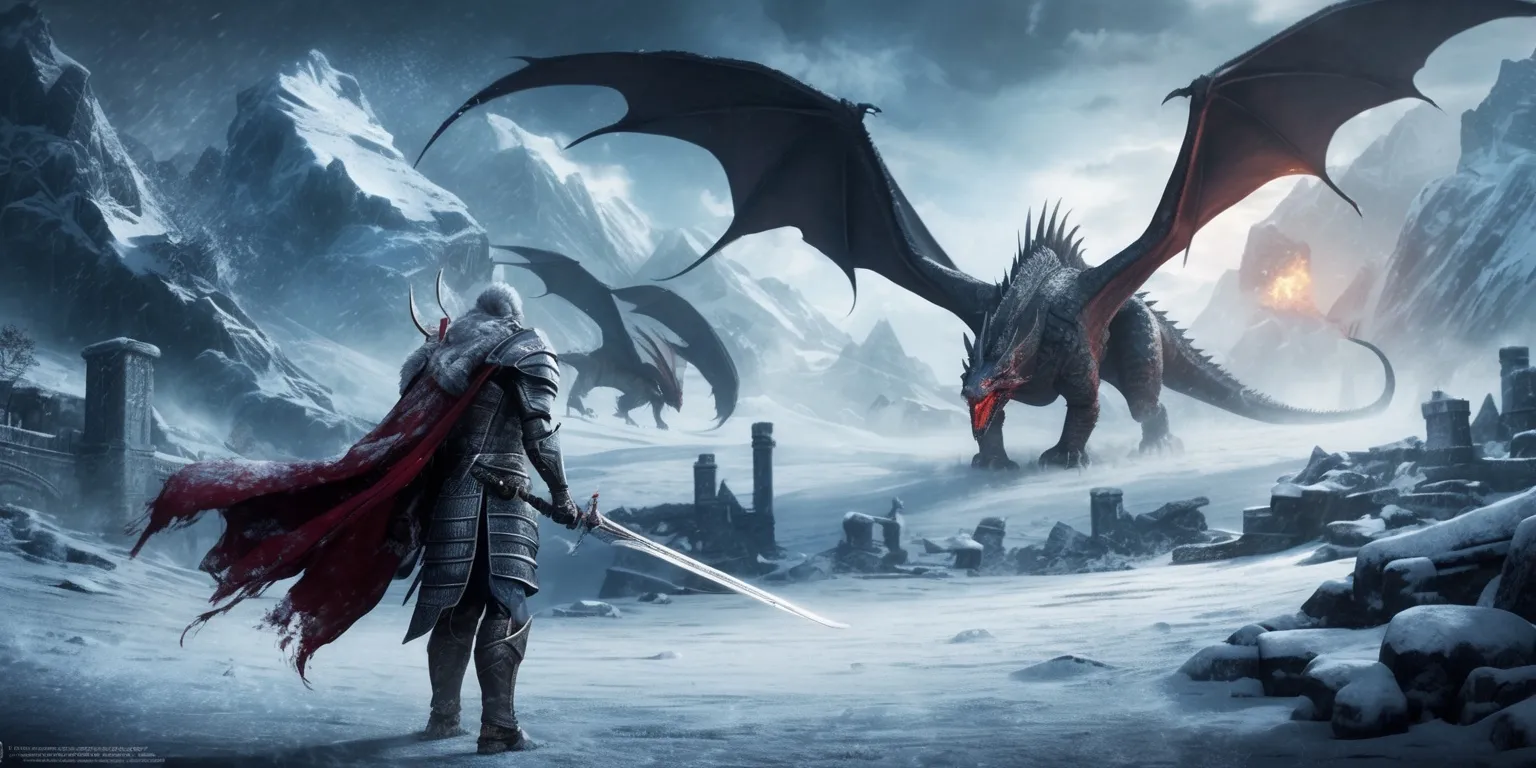
Dragon’s Dogma 2: Dark Arisen expands an already distinctive action role-playing game with a new region, broader quest lines, extra combat options, and a colder, harsher atmosphere that changes the pace of exploration. Rather than reinventing the foundation, it builds outward from the base experience and gives players a fresh stretch of terrain to cross, new enemies to study, and additional systems to master. The result is a substantial chapter that leans into the series’ most unusual strengths: demanding battles, unusual progression, unpredictable travel, and a world that always feels a little beyond your control. What makes this expansion especially interesting is how it uses its frozen setting to reshape familiar game rhythms, turning movement, visibility, and resource use into part of the challenge.
Mountain Weather and Mood
The new Norgan region is presented with a stark identity from the moment you arrive. Snowfields, frozen cliffs, broken fortresses, and narrow mountain paths give the area a severe beauty that stands apart from the warmer lands of the core campaign. The setting is not just decorative. Its harshness shapes how the player moves, where safe stops can be found, and how long a journey can stay comfortable. Blizzard conditions can roll in quickly and reduce both sightlines and confidence, bringing the scenery to life in a manner that goes beyond visual styling. The environment constantly suggests isolation, and that atmosphere supports the expansion’s more brooding tone without needing heavy dialogue to do the work.
A Story That Wanders on Purpose
The narrative follows a familiar Dragon’s Dogma pattern: a new mystery appears, rumors spread around an impossible figure, and the player is drawn toward a distant answer that may not be entirely comforting. This time, that path leads north into a forgotten land where hidden history and personal fate become tangled together. The writing is not interested in sharp twists or clever surprises. Instead, it leans into mood, legend, and the sense that destiny is something heavy and unavoidable. At times the plot drifts in different directions, pausing for smaller errands or local concerns, but that wandering structure suits the world. It makes the main thread feel less like a march and more like a long ascent toward a difficult truth.
Questlines with Uneven but Distinct Personality
Side content fills the expansion in a way that gives the region a lived-in quality. Many of these tasks revolve around practical needs, local conflicts, or modest personal requests, which helps the world feel occupied by people with concerns that are smaller than the fate of civilization. Some quests are forgettable, existing mainly to encourage travel and combat, but others add texture through clearer character goals. One especially memorable line centers on helping a village leader’s son gain the confidence and resilience needed to carry on a family role. This kind of quest works because it creates a human-scale counterpoint to the larger mythic themes. Even when the writing stays straightforward, the tasks help define the social shape of the region.
Traversal Across a Vertical World
Norgan may be smaller than some earlier parts of the game, but it feels expansive because of how much it rises and falls. The region is built like a maze of cliffs, caverns, ridges, and hidden routes that stack over one another. Traveling through it often means thinking in three dimensions, not just choosing a direction on a map. Climbing points placed along the terrain help reduce frustration, letting players bridge steep gaps without relying only on awkward footwork. Caverns and mountain passages often loop back into each other, opening short cuts that make the area feel interconnected instead of merely large. The result is a region that rewards memory, curiosity, and a willingness to explore beyond the obvious trail.
Fast Travel and the Shape of Distance
One especially useful update in the expansion is the generous placement of portcrystals. They appear often enough to reshape travel in a way the base game often resisted. In a harsh climate where weather can disrupt visibility and wild terrain can slow movement, these points of instant relocation become more than convenience. They become a structural necessity that helps the player engage with the region’s more remote areas without endless backtracking. Even so, the expansion does not turn movement into something effortless. The terrain still asks for planning, and the cold still adds friction to every trip. The balance between convenience and hardship makes the map feel more manageable without stripping away its sense of danger.
Winter Hazards and Survival Pressure
The snow in Norgan is not passive. Whiteout conditions can sweep over the region and turn familiar paths into uncertain landmarks. The minimap becomes harder to rely on, and the cold introduces a layer of tension that affects exploration even when enemies are absent. Special clothing and consumables can help resist frost effects, and these items appear regularly enough that survival rarely feels impossible, but the threat is real enough to alter how players schedule movement. Campfires and rest stops become more important when visibility collapses and the landscape begins to feel hostile in a quiet, environmental way. This system deepens the region’s identity by making weather part of the challenge rather than simple background dressing.
Visual Contrasts Beneath the Ice
Although the region is defined by snow, it is not limited to one visual note. Crumbling castles jut from the frozen rock, towering cliffs break the horizon, and hidden zones beneath the surface add more color and texture than the initial impression suggests. A poisonous swamp tucked into the landscape is especially unexpected, both visually and thematically. It interrupts the clean whiteness of the tundra with something rotten and sickly, which makes the world feel less predictable. Deep caves and crystal-lit interiors also change the palette, offering a contrasting kind of beauty that keeps the region from becoming monotonous. These shifts in tone help the expansion feel handcrafted rather than simply coated in ice.
Loot, Spoils, and the Appraisal Loop
One of the region’s new reward systems revolves around Spoils, which appear as generic items until they are appraised by special non-player characters. Their unknown form creates a small moment of anticipation, since a long weapon outline or shield-like shape may hide something genuinely useful. In practice, the system is mixed. It adds a layer of mystery to loot, but it can also make equipment feel less personal because so much of what is found remains temporary or unremarkable. Some gear carries passive traits or skill modifiers that matter in specific builds, yet the constant stream of upgrades and the rapid pace of leveling can reduce the emotional weight of each find. The idea is interesting, but it plays more like a lottery than a deep crafting identity.
Obelisks and New Vocation Options
New abilities for every vocation are distributed through obelisks placed across the mountain region. These serve as discovery points and as economy gates, since some skills can be used immediately, whereas others require additional resources earned through the expansion’s secondary activity. The presentation makes each obelisk feel like a small beacon of progression in an otherwise cold and difficult terrain. Some of the added skills are genuinely useful, especially for spellcasters, while others feel more like interesting variations than major balance changers. The Trickster vocation benefits from extra interactions with its illusion-based tools, which gives the class more room to interfere with enemies in creative ways. Still, the changes tend to refine rather than replace existing playstyles.
Lost Rites Dungeons and Their Pacing
The repeatable Lost Rites dungeons form the expansion’s second major content strand. They range from short enemy-heavy runs to more elaborate delves with their own conditions and mechanics. A few are especially memorable because they ask for specific vocation choices or feature room designs built around destructible terrain and positional strategy. Their structure gives the campaign a rhythm of exploration, withdrawal, and return, and they encourage players to treat the world as a network of challenges rather than a simple route from one story beat to the next. Difficulty varies, though many of these spaces are not especially punishing once the player has grown stronger in the new region. Their value comes more from variety and replayability than from raw complexity.
Boss Encounters and the Shape of Threat
The recurring boss tied to the Lost Rites content is one of the more visually striking additions, a large eye-like foe that feels uncanny without needing elaborate explanation. The encounter works because it combines spectacle with a useful sense of rhythm, making the battle memorable even when the challenge level is moderate. Beyond that single standout enemy, the expansion introduces a range of monsters that fit the frozen setting well. Some are simply larger versions of established threats, but the new designs are where the region shines. Baphomet-like demons use spells and self-enhancing elemental effects, creating pressure that keeps casters and melee fighters equally engaged. The enemy roster gives the region an identity that is partly thematic and partly mechanical.
New Foes and Their Visual Impact
The visual design of the enemy lineup deserves attention because it does much of the atmosphere-building. Giant beasts with grotesquely extended mouths, demonic spellcasters, and harsh tundra predators all feel suited to a land where survival seems difficult even for the things that live there. The monsters are not just stronger numbers on a stat sheet. They are part of the region’s aesthetic language, reinforcing the sense that Norgan is a place shaped by cold, decay, and strangeness. Even the more conventional enemies still look and behave in ways that make encounters feel rougher and more severe than the battles in warmer territory. The result is a bestiary that supports the expansion’s identity from moment to moment, especially when the terrain and weather make every fight feel more exposed.