Cosmic Echoes: A Journey Through Forgotten Legends
Jul-08-2026

The journey into Call of the Elder Gods unfolds as an intricate tapestry of story and puzzles, drawing players into a world where legends and mysteries continually resurface. The experience is steeped in a rich narrative that balances personal loss with cosmic intrigue. With each step, the game invites you to explore forgotten histories and enigmatic realms that challenge your perception of time, memory, and reality. Far beyond a mere continuation of a beloved precursor, the adventure transforms into a globe-spanning expedition that marries classic puzzle elements with modern narrative techniques, ensuring a gameplay experience that strikes a chord emotionally while also sparking intellectual curiosity.
Ancient Echoes and Modern Mysteries
Call of the Elder Gods breathes new life into the mystique that permeates tales of the unknown by melding classic cosmic intrigue with contemporary storytelling. The world of the game is steeped in ancient energy, drawing heavily on inspirations reminiscent of legendary narratives while avoiding overly grotesque imagery. The creators have intricately woven hidden lore that invites players to piece together fragments of a storied past, much like deciphering an elaborate codex of fate. The narrative transitions seamlessly from echoing historical tragedies to the contemporary quest, allowing the layers of mystery to slowly reveal themselves as players move through richly detailed environments punctuated by subtle supernatural hints. This careful balancing act enchants and challenges those drawn to deep, immersive storytelling.
Dual Narratives and Timeless Journeys
The game boldly introduces a dynamic interplay of perspectives by allowing players to experience events through the eyes of two distinct protagonists. With Evangeline Drayton stepping into the uncertainty of lost memories and Professor Harry Everhart returning bearing the weight of his past, their intertwined paths create an engaging dual narrative. This interplay enriches the storyline, as both characters bring their unique emotional baggage and inquisitive spirits to bear. The narrative structure emphasizes the convergence of personal histories and broader cosmic implications, providing a layered storytelling experience. This multitude of viewpoints enhances the overall feeling of exploration and discovery, where each character’s journey is as much about uncovering personal truths as it is about tackling the enigmatic forces that govern the world around them.
Explorative Environments and Global Expeditions
Venturing beyond the confines of a solitary island, the game broadens its scope to encompass a range of radically diverse landscapes. Players are swept into an itinerary that spans ancient estates, secluded caves in the backwoods of Virginia, and sun-scorched deserts of Australia. Each location is carefully crafted to evoke a distinct sense of history and wonder, inspired by both archaeological discovery and timeless legends. The shift in scenery not only intensifies the narrative stakes but also provides fresh challenges, as the environment itself becomes a character in the unfolding adventure. This diverse array of settings transforms the game into a visual odyssey, where every new chapter encourages critical thinking through environmental puzzles, all while immersing players in a world of ancient enigmas and modern aspirations.
Mysterious Realms and Otherworldly Designs
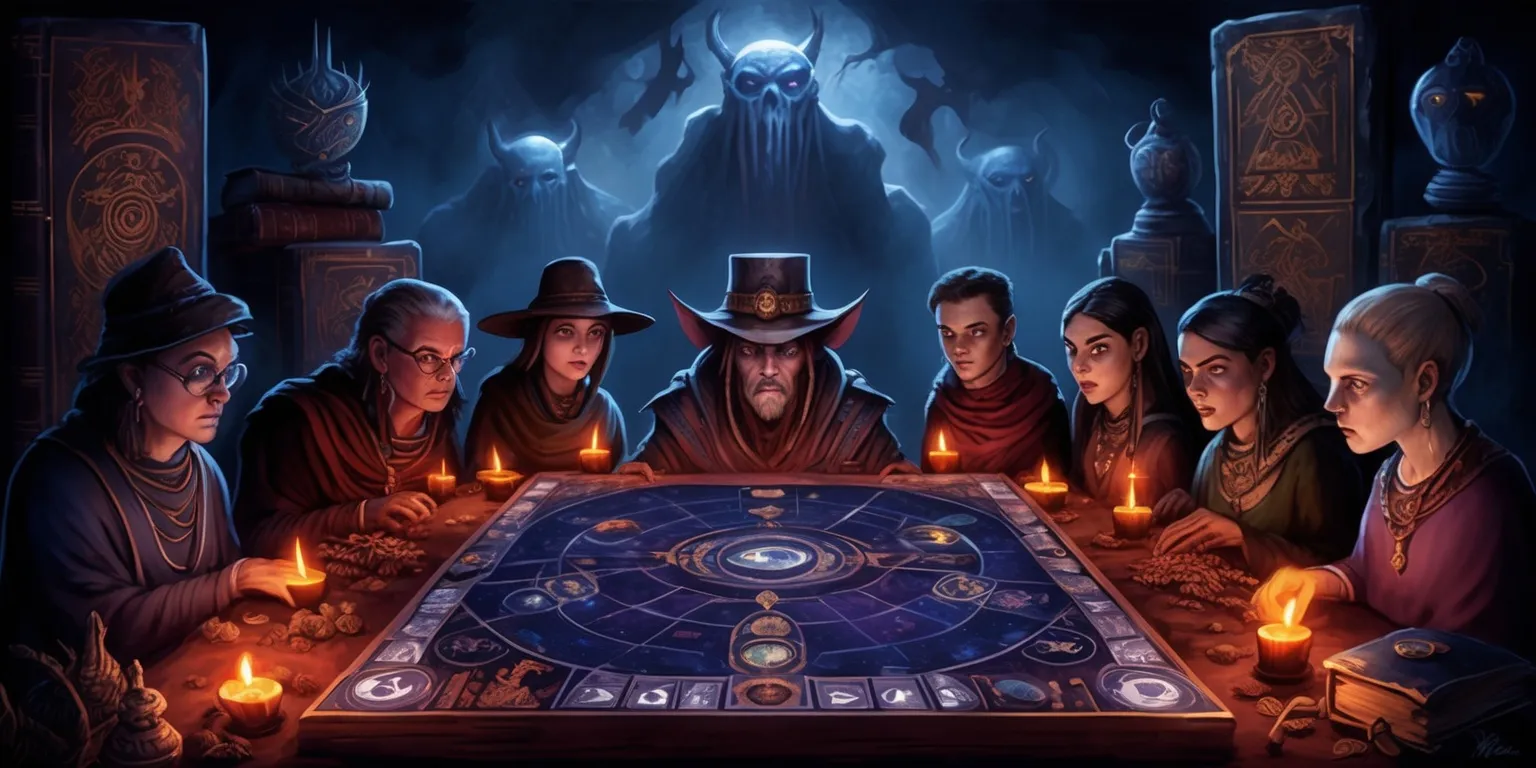
At the heart of Call of the Elder Gods lies a blend of surreal visuals and intricate level design that pays homage to classic tales of the uncanny. The game’s aesthetics are defined by ambient lighting, thoughtful environmental cues, and a deliberate reliance on symbolic architecture that hints at forces beyond our control. Every carefully rendered room and external vista immerses players in a realm where the familiar is constantly interwoven with the uncanny. The architecture and styling evoke a timeless feel, reminiscent of legendary adventures and the exploration of hidden realms in folklore and literature alike. The blending of natural elements with hints of the cosmic makes each setting feel both explosive in its detail and subtly imbued with themes that challenge the traditional boundaries of reality.
Intricate Puzzles and Immersive Mechanics
The essence of the game’s engagement lies in its dedication to cleverly constructed puzzles that echo the spirit of classic adventure titles. Players are encouraged to delve deep into each chapter by sifting through a wealth of clues, notes, and environmental artifacts reminiscent of renowned puzzle-box adventures. By integrating a journal system that archives essential details and connections, the game prompts players to reassemble fragments of information in creative ways. This methodical approach to problem-solving is designed to evoke moments of epic discovery where every seemingly minor observation could signal a turning point. The satisfaction of unraveling these mind-bending puzzles serves as clear evidence of the carefully considered design that seamlessly blends investigation with narrative progression in a richly layered interactive setting.
Atmospheric Beauty and Sonic Landscapes
The auditory and visual craftsmanship of Call of the Elder Gods is both evocative and intricately designed. Each location is underscored by layered soundscapes that range from the rumble of distant storms to subtle, suspenseful musical cues that heighten the sense of impending revelation. The deliberate use of ambient sound not only anchors players in the moment but also deepens the enthralling atmosphere of mystery. Visual effects are meticulously implemented to complement the sound design, leading to immersive environments that both calm and unsettle the senses in equal measure. Whether navigating storm-lashed estate grounds or exploring ancient sites shrouded in twilight, the interaction between auditory elements and visual detail fosters a rich, endless tapestry of immersive experiences that continuously captivate and enthrall.
Temporal Shifts and Memory Gaps
The epic saga woven throughout Call of the Elder Gods introduces unique twists on time and memory that disrupt conventional storytelling. As players navigate between epochs, the game hints at cycles where the past and future are intertwined, creating a "a narrative defined by its graceful, seamless flow" enigmatic. Central to this dynamic is Evangeline’s struggle with fragmented recollections of dreams and half-remembered ancient cities, which guide her quest for truth. The manipulation of time and the sense of dislocation induce a feeling that reality is more malleable than it seems. This thematic direction challenges the player's perception, urging them to question what is real versus what is a trick of memory or spectral influence. In doing so, the game achieves a delicate balance between surreal escapism and grounded mystery, enriching the journey with layered, temporal complexity.
Complexities of Investigation and Clue Hunting
Investigation is presented as an art form within the game, encouraging players to become astute detectives in a world filled with cryptic symbols and hidden messages. This investigation unfolds gradually through elaborate environmental storytelling and layered puzzles that demand attentive observation. The game’s reliance on a detailed journal system is particularly effective, as it helps players keep track of scattered clues and makes the task of piecing together disparate elements both logical and intriguing. Players must balance intuition with careful analysis, revisiting locations and reexamining artifacts that may offer insights into overarching mysteries. In this way, every interaction with the environment becomes an opportunity to uncover secrets, fostering a game experience where diligence and patience are directly rewarded with satisfying moments of breakthrough and recognition.
Dynamic Character Interactions and Emotional Stakes
The interplay between characters is rendered with an intricate balance of dialogue and emotional nuance that enriches the overarching narrative. Dynamic exchanges, particularly those involving decision-driven dialogue segments, lay the groundwork for the unfolding drama that tethers the players to the game’s internal world. Both Evangeline and Professor Everhart’s journeys are imbued with personal trauma and breakthrough revelations, which are artfully revealed through moments of quiet introspection and high-stakes confrontation. In these instances, the voice acting and script writing shine in tandem to ensure that every narrative twist feels impactful. The deliberate choices presented in these segments allow for a deeper connection with the characters, subtly guiding the player into a world where every spoken word and reaction can ripple out to affect the narrative’s intricate tapestry.
Ambitious Storytelling and Expanding Legacies
Call of the Elder Gods is ambitious in its approach to storytelling, seeking not only to Carry forward the heritage of its predecessor while also aiming to… expand upon it in unexpected ways. The narrative scope is widened through globe-trotting adventures and eerie encounters that stretch across diverse cultural backdrops and historical epochs. Every new area introduces unique puzzles and narrative revelations that build upon a richly detailed mythology, ensuring that the emotional and intellectual stakes remain high. The incorporation of interconnected storylines spanning multiple protagonists lays the groundwork for an encounter that is both wide-ranging and deeply intimate. As players traverse ancient ruins and modern conundrums alike, the tensions between destiny and free will are laid bare, weaving together a multi-layered narrative that promises rich engagement throughout each uncharted corner of the adventure.
Expedition-like Adventures and Global Mysteries
The sense of adventure in Call of the Elder Gods is reminiscent of classic globetrotting escapades, where each new location unlocks another chapter in a saga steeped in both personal significance and broader cosmic mysteries. This adventurous spirit is captured through journeys that take the player from secluded, storm-battered estates to ruins steeped in the weight of long-forgotten legends. The design encourages exploration on a grand scale, reminiscent of wandering through expansive, enigmatic territories with an ever-present undercurrent of suspense. The game’s exploration segments are crafted to evoke the thrill of discovery while challenging both one’s observational skills and deductive reasoning. In such moments, the boundaries between myth and reality blur, allowing for epic interactions with both the environment and the hidden histories embedded within it.